Seeing Dogs Differently exists to encourage a more thoughtful, compassionate and complete way of understanding dogs.
Too often, behaviour is judged only by how it looks or how it affects the people around the dog. We want to look deeper.
We believe every behaviour has context, every dog is an individual, and understanding should come before judgement.

Dogs are often described using labels such as:
These words may describe how a behaviour feels to us, but they rarely explain why it is happening.
A dog may be labelled difficult when they are frightened, disobedient when they are overwhelmed, or stubborn when they are confused, uncomfortable or unable to cope.
Seeing Dogs Differently encourages people to pause, observe and investigate before deciding what a behaviour means.
It may communicate:
This does not mean every behaviour should simply be ignored or accepted. It means that effective support begins by understanding what may be driving it.
When we listen to what behaviour is communicating, we are better able to respond with compassion, clarity and practical support.


We approach dogs and people with kindness, patience and empathy.
We look beyond what behaviour appears to be and remain curious about what may be influencing it.
We believe meaningful change begins with considering the dog’s emotions, health, history, environment and everyday life.
We respect every dog as an individual with their own needs, preferences, experiences and limits.
The physical and emotional welfare of the dog remains central to every decision.
We aim to communicate honestly, responsibly and professionally, while recognising the importance of continued learning and appropriate referrals.
These values are supported by reflection, individuality, connection and accessible education.
Behaviour cannot always be understood by looking at one moment in isolation.
To understand the dog in front of us, we may need to consider their:
The visible behaviour is only one part of the picture.
Looking at the whole dog helps us move beyond quick labels and consider what may need to change around them, as well as what they may need to learn.
Before asking which training exercise to use, it can help to ask:
Training can be valuable, but it should not replace curiosity, observation or consideration of the dog’s wellbeing.
The best intervention is not always the one that stops behaviour most quickly. It is the one that addresses the wider context and supports lasting, humane change.
Good behaviour support should not simply produce behaviour that looks acceptable to people.
It should also protect the dog’s physical and emotional welfare.
A dog appearing quiet does not always mean they feel calm. Compliance does not always mean understanding. A behaviour disappearing does not automatically mean the underlying fear, pain or frustration has been resolved.
Learning should support safety, confidence and trust. It should not rely on fear, intimidation or unnecessary pressure.
Behaviour is communication.
Every dog is an individual.
Context matters.
Emotional safety matters.
Pain and health must always be considered.
Management is not failure.
Owners deserve support rather than blame.
Learning should not rely on fear or intimidation.
Understanding should come before judgement.
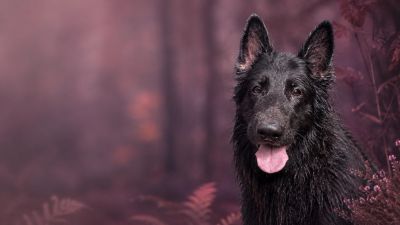
Seeing Dogs Differently is not about excusing every behaviour or pretending that difficult situations do not matter.
It is about replacing quick judgement with thoughtful investigation.
It is about asking better questions, considering the whole dog and choosing support that protects both welfare and safety.
When we change the way we look at behaviour, we change the way we respond to the dog.
Receive thoughtful articles, new resources and updates from Seeing Dogs Differently.
Important Support Note
Sudden behaviour changes may be linked to pain or illness and should be discussed with your vet. Aggression, bite risk or serious fear should be supported by an appropriately qualified behaviour professional.
© 2026 Seeing Dogs Differently - All Rights Reserved.
Looking beyond behaviour. Understanding the whole